
Tromsø Norway: Breathtaking Arctic Experiences
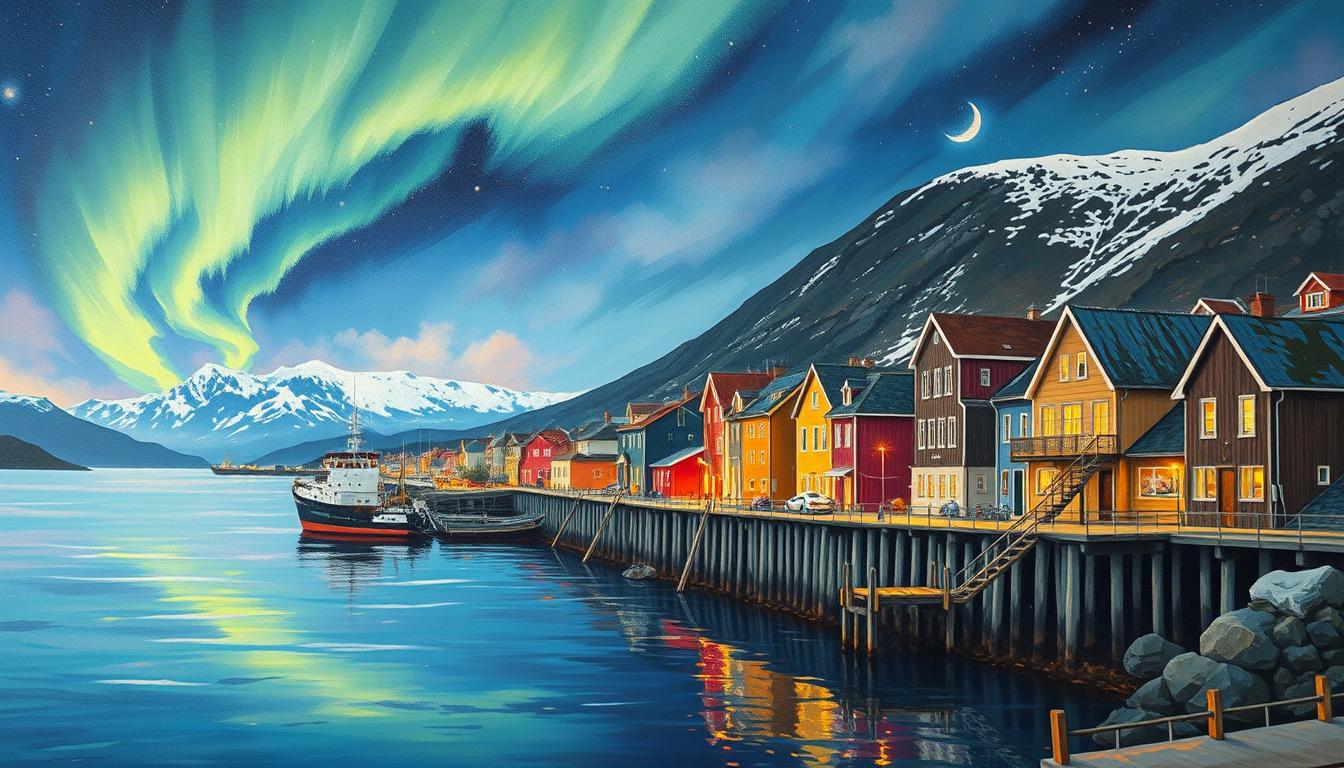
Tromsø Norway: Breathtaking Arctic Experiences
This premium guide presents an all-in-one overview of the Arctic gateway city. It highlights curated, small-group and deluxe options that blend comfort with authenticity. Readers will find clear planning notes and practical information for the wider area.

The compact harbour-centred city sits on Tromsøya and links to neighbouring islands by bridge and tunnel. It serves as an administrative centre with a rich culture, preserved wooden houses, museums and refined dining lie within easy reach.
Seasonal notes preview winter aurora nights and summer daylight adventures. The layout supports time-optimised itineraries and seamless access across northern norway. Expect a concise list of top highlights and expert tips to book with precision.
Key Takeaways
- Premium, all-inclusive options for discerning travellers.
- Compact city layout with efficient island and fjord connections.
- High cultural value, wooden architecture, festivals and museums.
- Seasonal planning: aurora in winter, long days in summer.
- Clear practical information and top recommendations for the area.
Why Tromsø is the Gateway to the Arctic
This northern city blends expedition history with a surprisingly cosmopolitan cultural pulse. Visitors will find a refined café life, forward-looking fashion and a compact centre ideal for slow, premium strolls.
Paris of the North: culture, cafés and fashion
Paris north is shorthand for an unexpected sophistication, cosy cafés, design-led boutiques and style-conscious people. The social scene supports festivals, live music and refined dining, all within short walking areas.
Arctic credentials: expeditions, festivals and wooden architecture
The harbour launched famed polar ventures across the years; explorers such as Amundsen and Nansen used this port as a base. A Northern Lights observatory was founded in 1927, cementing the city's scientific role.
Heritage remains visible in the high number of old wooden houses, museums and theatres. Together they form a living timeline that links past expeditions to today’s cultural calendar.
For guests seeking a premium approach, private guides, after-hours visits and curated café breaks make cultural touring efficient and memorable. A brief walking guide pairs neighbourhoods and signature stops with realistic timeframes for first-time visitors.
Map and essentials: where Tromsø sits in Northern Norway
At latitude 69.65167°N and longitude 18.95556°E, the city centre sits on Tromsøya, a compact island that functions as the local hub. Essential information for maps and navigation apps: mark Tromsøya as the primary waypoint for transfers and sightseeing.
Connections and crossing options - Tromsø Bridge links Tromsøya to Tromsdalen on the mainland. The Tromsøysund Tunnel provides a faster vehicular route beneath the strait. Kvaløysletta on Kvaløya is reached via the Sandnessund Bridge.
Transfer times are short: most drives between central areas and nearby suburbs take under 30 minutes. Walks across the central grid and along the waterfront require only a few hours to cover major sights, ideal for a first-day orientation stroll.
Nearby areas and day-trip choices include Kroken, Tromsdalen and Kvaløya. Fjords that define the region, Balsfjorden, Kaldfjorden, Malangen and Ullsfjorden, are reachable within compact time windows for wildlife or cruise excursions.
Mountain access is convenient: the municipal high point, Jiehkkevárri (1,830.7 m), and lower viewpoints are an easy drive from trailheads. Combine an urban coffee stop with an afternoon hike or a cable-assisted ascent to maximise daylight or twilight hours.
Practical routing advice
Use navigation apps to prefer bridges for scenic routes or the tunnel for speed. Plan mornings for island walks and reserve late afternoon hours for fjord cruises or short mountain outings. This sequence keeps transfers efficient and returns to the city simple and timely.
Tromsø Norway
The settlement's name carries layers of language and tide‑born meaning that appear on maps, tickets and museum labels. Travel documents may show the official form from Tromsøya alongside the Sámi form Romsa and the Kven variant Tromssa.

Two brief markers anchor local history: an early church recorded in 1252 and the city charter granted in 1794. These dates are ideal signposts for guided walks and museum context.
Practical information for travellers, the urban population is around 41,915 (2023) and the city functions as the regional administrative and cultural hub. This scale informs transfer times, service levels and booking choices.
Understanding the linguistic story, Old Norse links to Trums or to straumr (current), helps visitors recognise place‑names in different languages. That recognition makes curated touring more meaningful and efficient for discerning travellers.
Seasons at a glance: Polar Night, Midnight Sun and the best time to visit
Seasonal light shapes every visit, from deep blue days to continuous high sun. The guide below helps pick the right time by activity, daylight and weather. Practical notes assist planning for Deluxe or small-group options.
Polar Night magic: late November to mid‑January
The polar night runs approximately 28 November–14 January when the sun stays below the horizon. Days offer calm, blue‑pink light around noon and long, rich evening hours for aurora viewing.
Typical December temperatures hover near 0°C by day and about −4°C at night. Expect variable weather and changing sunshine hours, clear nights give prime aurora windows; overcast spells limit visibility.
Local Sun Day on 21 January marks the celebratory return of the sun, a cultural highlight for visitors lingering at the end of the polar night.
Midnight Sun glow: late May to late July
The midnight sun appears roughly 19 May–27 July. Continuous sun means long excursions and late‑hour hikes are possible without rush.
Plan multi‑hour outings, fjord cruises and extended walks. Note that brief spring snows can occur in late May or early June; flexible itineraries help cope with sudden thaw or fresh snow.
Shoulder months and daylight hours by time of year
Travel style guides:
- Winter: best for aurora and snow ambience. Book early for premium availability.
- Shoulder months (late Jan–May, August–Oct): balance of daylight hours, milder weather and fewer crowds.
- Summer: ideal for hiking and cruising when the days stretch long.
Summary timing and booking advice, check hours of daylight for your exact travel time, allow lead times for high‑demand weeks, and expect weather variability through the year.
Northern Lights in Tromsø: how, when and where to see the Aurora Borealis
For luxury travellers, witnessing the aurora borealis is a matter of smart scheduling and experienced guidance. Prime months run from September to April, with highest activity in the deep autumn and mid‑winter months. Typical night windows centre on 20:00–23:00, though shows can appear earlier or later.
Prime months, nightly timing and cloud-cover strategy
Plan for multiple nights, 4–5 improves odds significantly. Use real‑time forecasts and an Aurora app to choose hours with low cloud cover.
When clouds build, mobility wins: guides will relocate by car or bus and sometimes cross borders to chase clear skies.
City viewpoints versus dark-sky fjords and beaches
Accessible city spots, Prestvannet, Telegrafbukta and the cable car summit, offer convenience and quick returns.
For intense displays, head to dark-sky fjords and beaches away from lights. Small-group tours balance comfort with remote access.
Tours, bus chases and ethical Northern Lights cruises
Choose operators who provide thermal suits, tripods and photography assistance. Bus chases extend viewing hours; ethical cruises use hybrid or silent vessels for low disturbance.
Tip: If driving yourself, match forecast skills with local area knowledge; otherwise book a guided option. Bring a tripod and start with wide aperture, 10–20s exposures. Have a Plan B, saunas, cultural nights or tastings, for overcast evenings.
Winter experiences: snow, ice and unforgettable Arctic adventures
A deluxe winter programme mixes husky-led trails, Sámi storytelling and remote mountain outings. Guests benefit from curated packages that pair active days with warm, cultural evenings and a chance to chase the northern lights.
Dog sledding and reindeer encounters - Siberian huskies are common; ethical kennels prioritise welfare and calm pacing. Sámi-led reindeer visits include storytelling and cultural context for a respectful experience.
Whale watching windows - best roughly Nov–Jan. Book silent or hybrid boats (Brim Explorer is recommended) to reduce disturbance and improve sightings. Small groups and quiet launches ensure comfort on cold days.
Snowshoeing, skiing and safe walking - guided snowshoe routes run from Charlottenlund into nearby foothills. Locals rely on shoe spikes and studded tyres; the guide-led approach includes kit, thermal layers and measured pacing.
Plan selective car support for remote access, but use professional drivers and winter-ready vehicles. Snow patterns vary by years; book early for top operators and build a cosy fireside finish with aurora potential at night.
Summer under the Midnight Sun: hiking, fishing and island escapes
Under the continuous glow of the midnight sun, summer in the area becomes an invitation to long, measured days. The midnight sun runs roughly 19 May–27 July and permits extended mountain outings and late coastal dining.
Top trails and mountain views from Fløya to Kvaløya
Guests may reach Fløya quickly via the cable car for immediate panoramas. Short walks from the summit reward photographers and hikers alike.
Kvaløya offers a network of trails across wild ridges and sheltered bays. Plan one mountain loop per day to balance effort and leisure.
Fjord cruises, sea fishing and coastal villages
Hybrid fjord cruises run year‑round and pair wildlife spotting with onboard tastings. Sea fishing trips use expert crews, scaled gear and catch‑to‑table options for a relaxed, premium experience.
Island escapes to Sommarøy and Ersfjord suit gentle walks, village dining and late‑hour photography beneath the sun.
Practical notes: dress in layers, apply sun care despite cool air, and book transport, guides and restaurants in advance. The northern lights are out of season, but summer evenings offer strong glow vantage points and cultural programming for night photography.
Ride the Fjellheisen cable car: views, walks and Northern Lights prospects
Boarding the Fjellheisen cable car is the fastest luxury route to Fløya’s ridge and sweeping panoramic outlooks.
The quick cable ascent carries guests from the valley to crisp mountain air in minutes. At the summit a cosy café provides warmth, refreshments and time for unhurried photography.
Short, signed summit walks start immediately by the station. Guides run snowshoe experiences in winter and mark safe viewpoints for clear daytime panoramas.
Fjellheisen is a strategic northern lights lookout. For night outings guests are briefed on wind chill, given rapid‑return options to the city, and advised on layered clothing.
Practicals, operating times vary by season. Pre‑purchase tickets for peak periods and expect safety briefings when snow is present. Private upgrades include after‑hours access and tailored photo sessions for a premium finish.
Museums and culture: Polar Museum, Troll Museum and more
A day of curated museums reveals the city’s polar past, folklore and contemporary art in easy steps.
Polar Museum: Anchor the cultural circuit here. Exhibits focus on Arctic expeditions, ice survival and clear expedition narratives. Artefacts and interpretive labels give context to past voyages and the practical tools that explorers used.
Troll Museum: A family-friendly stop with folklore brought to life via augmented reality. The troll museum delivers playful, hands-on displays that keep momentum for younger visitors and offer museum also experiences that mix education with entertainment.

The Northern Norwegian Art Museum provides regional perspective. Rotating shows highlight local painters, photography and craft. It pairs well with a late‑afternoon café break for relaxed viewing.
Museum also options include the Full Steam maritime experience, maritime history, Sámi stories and northern lights photography sit alongside exhibits on local fishing heritage. Evening concerts at the cathedral add a refined finish; align performance times with dinner reservations for the best flow.
Booking guidance, reserve peak-day slots and consider private tours with historians for deeper insight. Note local naming on labels to connect the exhibits with the broader history and culture of the area. Small, paced visits plus café pauses make a balanced cultural day in the city.
Itineraries for every season and length of stay
Well-paced days balance cultural stops, short walks and evening pursuits under the polar sky. The following outlines compact plans for winter and summer, with clear booking windows, meal timing and transfer estimates.
Two winter days: city, cable car and Aurora chase
Day one, morning museum visits and a short walk through the harbour. Lunch 12:30–13:30; reserve tables for peak weeks.
Afternoon pause and cable‑car ascent at 16:00 for panoramic views and early evening photos. Dinner 19:00 in a central restaurant.
Day two, daytime fjord excursion (2–4 hours); return by 17:00 and brief rest. Night: join a northern lights bus chase (expect long drives; pack snacks and layers).
Four to five winter nights for Northern Lights odds
A 4–5 night plan increases northern lights success and allows weather buffers. Schedule three target nights for chases and two flexible evenings for concerts, saunas or private dinners.
Allow 30–60 minutes transfer time between central hotels and local meeting points. Book guides and bus chases 2–4 weeks in advance for peak season.
Three bright summer days: Midnight Sun and mountains
Use extended light to stretch a single day into two. Day one, cable car, summit short walk and late lunch. Day two, full fjord cruise with fishing options (book morning departures at 09:00). Day three, Kvaløya or ridge hike, return for a late harbour dinner.
Upgrade options, private guide, chauffeur transfers and exclusive experiences, add flexibility and time savings for travellers seeking a fully hosted format.
Food and drink: where to eat, cosy cafés and ice bars
Dining in the harbour area balances fresh coastal produce with cosy, fireside comfort. Top tables serve local seafood and winter stews with curated wine lists and easy booking for peak hours.
The menu highlights - Full Steam for heritage cuisine and refined seafood; harbour cafés such as Risø for light plates and views. For sweet stops, Koseverden & Koselig are famed for brunost waffles and cinnamon buns served with sharp latte art.
After a long day, choose an atmospheric venue with occasional live music to extend the evening. Small, curated restaurants match well with northern lights nights; book early to ensure a smooth transition from tour to table.
For a playful nightcap, the Magic Ice Bar offers a themed, chilled experience, a fun contrast to deluxe dining. Many late‑evening options keep reliable service for guests returning late from aurora tours.
Practical notes: indicate dietary preferences on reservations; ask about vegetarian adaptations. Align opening hours with your itinerary to avoid rush time, and reserve prime seats for harbour views when time is tight.
Where to stay: central hotels, waterside views and unique stays
A well-chosen hotel makes short transfers, late-night tours and early starts effortless. Guests should balance luxury harbour options with value city bases for efficient days and restful nights.

Luxury and value picks in tromsø norway
Top harbour-front choices - Scandic Ishavshotel and Clarion Hotel The Edge offer panoramic harbour views and deluxe breakfasts. Rooms suit photography and easy city exploration on foot.
Well-placed value bases - Comfort Hotel Xpress and Smart Hotel provide clean, efficient rooms within a short walk of main venues. They are ideal for guests who prefer simple comfort and prompt access to tours.
Unique stays and practical information
Boutique nights - glamping domes and cabins near ice attractions deliver memorable, boutique overnights while the central hotel remains a practical base.
Room categories often include aurora-facing windows and quieter profiles for solid rest. Practical services, parking for guests with a car, luggage handling and early breakfasts for morning departures, are widely available.
Concierge touches - private spa slots, in-room amenities and late check-out after northern lights outings make stays more personalised and seamless in the area.
Getting there and around: flights, buses, walking and car hire
Arrivals are straightforward: a short transfer links the airport terminal to the compact city centre. Regular buses (24, 40 and 42) run from the airport on Tromsøya to central stops. Buy tickets on the Troms Billett app for contactless boarding; buses typically take 10–15 minutes to reach the harbour area.
Airport to centre: routes, apps and travel time
Follow the covered walkway via the parking garage to the bus stop for a simple first‑day route. Taxis and rideshare provide direct service and useful baggage handling; expect 10–20 minutes depending on traffic.
Timing advice: allow 45–60 minutes between flight arrival and any booked evening activity to cover luggage, transport and check‑in.
When a car helps and when to stay central
A rental car is ideal for bespoke fjord days, fishing trips and flexible northern lights positioning at remote viewpoints. For central stays, rely on buses and walking, this removes the need to park and navigate narrow streets.
Practical tip: plan day trips that start early to maximise daylight and reduce return-time stress.
Driving in winter: safety and local practices
Most rental cars come with studded tyres and winter kit. Drive at moderated speeds, expect frequent snowploughing and allow extra hours for coastal roads to Sommarøy and Ersfjord in snowy conditions.
Fuel stations are readily available in the area; use central pick‑up/drop‑off zones and note short-term parking rules near the harbour. Allow a conservative buffer, 90–120 minutes. between flight arrivals and any departure by car.
Simple decision guide: choose bus + walking for central hotel stays; choose a car for remote fjords, personalised fishing or extended viewpoint searches for the northern lights. This balance keeps the itinerary reliable and time-efficient.
Weather and conditions: what to expect day by day
Expect day-to-day swings in temperature and surface conditions during any visit. The subarctic climate is moderated by the sea, which keeps winters relatively mild for the latitude. Still, rapid changes—from fresh snow to a rain thaw and a hard refreeze, are common and shape daily plans.
Temperatures, snow depth and sunshine
Temperature bands: autumn and spring vary around freezing; winter days often sit near 0°C, with colder nights. The record snow depth reached 240 cm (29 April 1997), illustrating seasonal extremes.
Sunshine hours swing widely through the year, polar night and midnight sun create long low-light and long‑day phases. The frost‑free season averages about 138 days (1981–2010). Plan clothing and activity timing around these shifts.
Traction, safe walks and mountain notes
Studded tyres are standard for winter driving and strongly advised for rental cars. Locals use shoe spikes on pavements; visitors should pack traction aids for safe city walks on ice and refreeze patches.
Mountain microclimates bring stronger wind exposure and quicker weather changes. Choose routes that match the most stable hours of the day and favour lower ridges when wind is forecast. Pack layered, waterproof outerwear, thermal mid-layers and reliable footwear with traction.
Practical summary: be flexible with your itinerary, plan indoor backup options, and prioritise traction and weatherproofing. This approach keeps days efficient and comfortable despite variable conditions.
Responsible and respectful travel: Sámi culture and wildlife ethics
Respectful travel begins with listening to the people who have stewarded these lands for generations.

Choosing ethical tours and understanding local history
Choose tours led by Sámi families or providers that demonstrate clear collaboration. These options present authentic perspective on reindeer herding and regional history while supporting local livelihoods.
Pick wildlife operators with silent or low‑vibration boats for whale watching. Such choices reduce disturbance and protect marine life in sensitive areas.
Seek providers that publish animal welfare standards, for dog sledding and reindeer encounters. Transparent practice shows respect for animals and cultural context.
Engage a qualified guide for deeper context. A knowledgeable guide links museum narratives to living culture and explains ethical fishing practices and land use.
Practical traveller behaviours: leave-no-trace, ask permission before photographing people, keep noise low during aurora borealis viewings, and avoid lights that disrupt the northern lights experience.
When driving in rural corridors, slow down near shorelines and known crossing areas for wildlife. A cautious car approach minimises collisions and preserves fragile habitats.
Your Arctic story begins: plan the trip of a lifetime
Begin your Arctic story with a clear plan that pairs signature experiences, northern lights chases, a cable car ride to the mountain ridge, midnight sun walks and curated museum time, for a compact, luxury stay.
Structure days with intent: mornings for the Polar Museum or a short museum stroll, afternoons for fjord cruises, fishing or a summit walk, and evenings reserved for guided northern lights nights or cathedral music.
Use a professional guide for complex night chases and self-guided walks by day. Note place names on map, Tromsøya, Kvaløya and Tromsdalen, to simplify transfers and tickets.
Final tips: reserve early for peak summer and aurora periods, secure upgrades where useful, and add one buffer night so the trip ends rested and satisfied.